Watching your Shopify traffic climb feels like a win until you check your sales and realize people aren’t buying. Your rankings are up, but your revenue is flat.
More traffic doesn’t always mean more sales. You can rank for dozens of keywords and still attract visitors whose search intent doesn’t match what you’re selling.
That’s why your SEO needs a strategy behind it. The goal is to attract the right searches and send those visitors to pages that help them take the next step
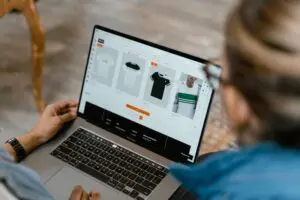
(MART PRODUCTION/pexels)
Not All SEO Traffic Is Equal
Organic traffic only tells you how many people found your store. It doesn’t tell you if they want to buy anything.
Ranking for a broad term like “home decor” or “women’s activewear” can result in a ton of traffic. But it can also attract a lot of window shoppers. Bringing in thousands of those visitors won’t mean much if very few are ready to buy.
Traffic numbers tell you how many people you’re getting from search. The searches bringing them there tell you what those people are looking for. Some searches come from people who are much closer to buying than others.
When Search Intent and Your Pages Don’t Match
Search intent is the reason someone types something into Google. Someone searching for “women’s waterproof hiking boots” is probably looking to buy. Someone searching for “how to break in hiking boots” is just looking for advice. The first search belongs on a product page. The second belongs in a blog post.
This mismatch can happen on Shopify collection pages. Store owners often optimize these pages for broad terms that attract casual browsers instead of buyers. A category page for “women’s jackets” attracts all kinds of shoppers. But a page built for “women’s insulated ski jackets” targets a much smaller group, one that already has a better idea of what they want and is more likely to buy.
Ranking for high-volume terms isn’t necessarily bad. It can help get your brand noticed and attract more traffic. The mistake is assuming all traffic is the same. Different searches show different levels of interest; the page needs to match the intent behind the search.
This also changes how you should write your product descriptions. A page written just for Google has technical specs and keywords. A page built for real people answers the questions they have before buying. What is the return policy? Does it run true to size? How does it compare to other brands? The search might get someone to the page, but the page still has to answer their questions.
If your most popular pages are making the fewest sales, this disconnect is a good place to start looking.
Your Store Structure Should Guide the Next Step
Once you get the right traffic, you still have to show them what to do next. Imagine a shopper searching for a specific product clicks through to your page. You have no reviews, no sizing guide, and just a generic product description. They have a question, but your page doesn’t answer it. So they hit the back button, find a competitor that gives them those details, and buy from them instead. The SEO did its job. Your page didn’t.
People coming from Google rarely start on your homepage. Depending on what they searched, they might arrive at a collection page, a product page, or a blog post. Every page has to do its job on its own. If someone reaches a product page, they shouldn’t have to guess where they are or what to do next.
Here’s what that means for different pages:
- Collection pages need to help people narrow down their options, not just dump a massive list of products on the screen.
- Product pages need to answer the questions people have before buying, not just list out technical specs.
- Every step on your site should make the next step obvious.
E-commerce SEO experts pay attention to more than where a store ranks. They also look at what shoppers find when they click through and whether the page helps them make a purchase. Small site choices that seem minor when building your store can cost you sales later.
Internal Linking Builds the Path to Checkout
Internal links show Google how your store’s pages connect, but they also help shoppers move from one relevant page to another.
You might have a blog post about hiking boots that gets hundreds of visits a month. If that post never links to your hiking boot collection, readers have to go hunting for the products themselves. You can’t assume they’ll take the time to find them. The same thing happens when a product page doesn’t link to related items or useful information like a sizing guide.
The links should make sense for what someone is already looking at. A guide about hiking boots can link to your boots collection, while a product page can link to matching socks, extra laces, or a sizing guide. When those connections are easy to find, informational pages don’t become dead ends and shoppers have a clear next step.
Putting the Shopify SEO Pieces Together
Once you stop looking at traffic in isolation, the pieces start fitting together. Your keywords, content, product pages, and site structure should all point in the same direction.
Professional Shopify SEO services can help connect those pieces. That means optimizing pages, maintaining the site’s technical side, creating useful content, and building quality links as part of a strategy instead of treating each task separately.
Success starts to look different, too. Instead of judging SEO by traffic and rankings alone, you can look at whether the traffic you’re attracting is reaching the right pages and taking the actions you care about.
Traffic Is Only the First Step
More Shopify traffic is only useful when the people behind it find pages that match what they’re looking for. The right keywords bring qualified shoppers to the store. Strong product and collection pages give them the information they need. Clear navigation and internal links help them find the right products.
Rankings get people to your store, but the work doesn’t stop when they arrive. That’s the difference between an SEO strategy built around traffic and one built around the entire customer journey.
A strategic SEO partner looks beyond rankings to the searches you’re targeting, the pages you’re sending people to, and what they find when they get there. They’ll help connect those pieces to build your site around the shopper, not just the search result.